No, you do not have to use your insurance company's body shop. In Michigan, MCL 500.2110b says an auto insurer and its agents and adjusters cannot unreasonably restrict you from using the repair shop of your choice for covered repairs. A direct repair program (DRP) shop is one that has a contract with your insurer. It can be convenient, but it's a recommendation. Tell the adjuster which shop you've chosen, and that shop works with the insurer on the estimate.
What Is a Direct Repair Program?
A direct repair program is a business agreement between an insurance company and a body shop. You'll hear it called a DRP, a "preferred shop," a "network shop," or a "select service" shop depending on the carrier. The names change. The deal underneath is the same.
The insurer sends the shop a steady stream of customers. In return, the shop agrees to the insurer's terms. Those terms usually include:
- Negotiated labor rates and pricing set by the insurer, often below what the shop charges retail customers.
- Estimating guidelines that control which parts, procedures, and operations get written on the estimate.
- Parts preferences that may favor aftermarket, used, or reconditioned parts over new factory parts where the policy allows it.
- Performance scorecards that rank the shop on average repair cost, repair time, and how often it asks for more money after finding hidden damage.
- Estimate writing on the insurer's behalf, so the shop is often doing work an insurance appraiser would otherwise do.
None of that makes a DRP shop a bad shop. Many do good work. But it's worth understanding the structure: a DRP shop has two customers on every job, you and the insurance company that sends it most of its business. When those two interests line up, you won't notice. When they don't, such as whether a part gets repaired or replaced, or whether hidden damage gets written up, the shop's contract is part of the conversation.
Your Right to Choose Under Michigan Law
Michigan put the right to choose into statute in 2004. Under MCL 500.2110b, an auto insurance policy, the insurer, and its employees, agents, and adjusters shall not unreasonably restrict you from using a particular shop for repair, glass repair, or glass replacement covered by your policy.
The law also requires the insurer to:
- Disclose whether it has agreements with any repair or glass replacement facilities.
- Tell you that you are under no obligation to use a particular repair or replacement facility.
In plain terms: the insurer pays for covered repairs, but you decide who performs them. That applies to collision claims, comprehensive claims like deer strikes and hail damage, and windshield replacement. For the broader picture, including mini-tort and how claims are handled, see our guide to Michigan collision repair insurance rights.
The law protects your choice of shop. It does not mean an insurer must pay any price a shop charges. Insurers can still inspect the vehicle, review the estimate, and negotiate specific costs. In practice, a shop that documents damage clearly and follows repair procedures gets repairs approved. If there is ever a gap between the shop's price and what the insurer will pay, you should hear about it before work starts, not at pickup.
What Steering Sounds Like on the Phone
"Steering" is when an insurer pushes you toward its own network shop in a way that goes beyond a suggestion. It rarely sounds like a demand. More often it sounds helpful. These are common lines drivers report hearing, and what's actually true:
"We can't guarantee the repairs if you go somewhere else."
Some insurers back repairs done at their network shops with their own guarantee. That is a benefit of the program, not a condition of your coverage. Your policy still pays for covered repairs at the shop you choose. Ask any shop you consider what warranty it provides on its own work.
"Your claim will go much faster with our shop."
A DRP shop may start sooner because it can write the estimate itself. An independent shop sends its estimate to the adjuster instead. For most repairs the real timeline is set by parts availability and the extent of the damage, not the paperwork.
"That shop isn't on our list, so we may not cover everything."
Your coverage comes from your policy, not a shop list. The insurer can review costs, but it cannot unreasonably restrict your choice of shop.
"We'll just send it to our shop and you won't have to deal with anything."
Any shop that handles insurance work every day will deal with the adjuster for you. You don't give up convenience by choosing your own.
DRP Shop vs. Independent Shop
Both can do quality work. The difference is who sets the rules on the estimate. Here's how the two models usually compare:
| Direct repair (DRP) shop | Independent shop | |
|---|---|---|
| Who sends the work | The insurance company, under a contract | You, by choosing the shop |
| Pricing | Negotiated rates set in the insurer agreement | The shop's own rates, reviewed by the adjuster |
| Estimate rules | Insurer estimating guidelines and scorecards | Damage findings and manufacturer repair procedures |
| Hidden damage | Supplements count against the shop's performance metrics | Documented and submitted to the insurer as found |
| Parts | May follow insurer parts preferences where policy allows | Discussed with you and the adjuster based on the repair |
| Convenience | Estimate and approval often handled in-house | Shop handles the adjuster and paperwork for you |
| Repair guarantee | Some insurers back network repairs | Backed by the shop itself — ask about terms |
When a DRP shop can make sense
If the damage is light, you trust the shop on the list, and you want the insurer's own guarantee, a network shop can be a reasonable choice. The point of the law isn't that DRP shops are bad. It's that the decision is yours.
When an independent shop matters most
The difference shows up on bigger repairs: structural damage that needs frame straightening, vehicles with cameras and radar that need ADAS calibration, aluminum repair, luxury and imported vehicles, and claims close to a total loss. Those are the jobs where hidden damage is most likely, and where you want a shop whose only job is to fix the car correctly.
How to Use Your Right to Choose
- 1Pick your shop early.
Ideally before you report the claim. If you're not sure yet, tell the insurer you'll name your shop shortly. You don't have to decide on the first call.
- 2Tell the adjuster directly.
Say: "I've chosen my own repair facility." Give the shop's name, address, and phone number. You don't need to explain why.
- 3Get the car to your shop, not a storage lot.
If the car isn't safe to drive, call your shop first. We coordinate towing straight to our facility so you avoid daily storage fees and a second tow.
- 4Let the shop and the adjuster work the estimate.
Your shop documents the damage and sends the estimate to the insurer. When hidden damage turns up after teardown, the shop submits a supplement. You don't have to referee it.
- 5Keep notes if you feel pressured.
Write down names, dates, and what was said. If you believe an insurer is unreasonably restricting your choice, you can contact the Michigan Department of Insurance and Financial Services.
- Are you registered as a Michigan motor vehicle repair facility?
- Do you follow the manufacturer's repair procedures for my vehicle?
- Do you do pre- and post-repair scans and ADAS calibration when needed?
- Will you handle supplements with my insurer if you find hidden damage?
- What warranty do you provide on your work?
- Do you have any direct repair agreements with my insurance company?
Why Commerce Collision Has No DRP Contracts
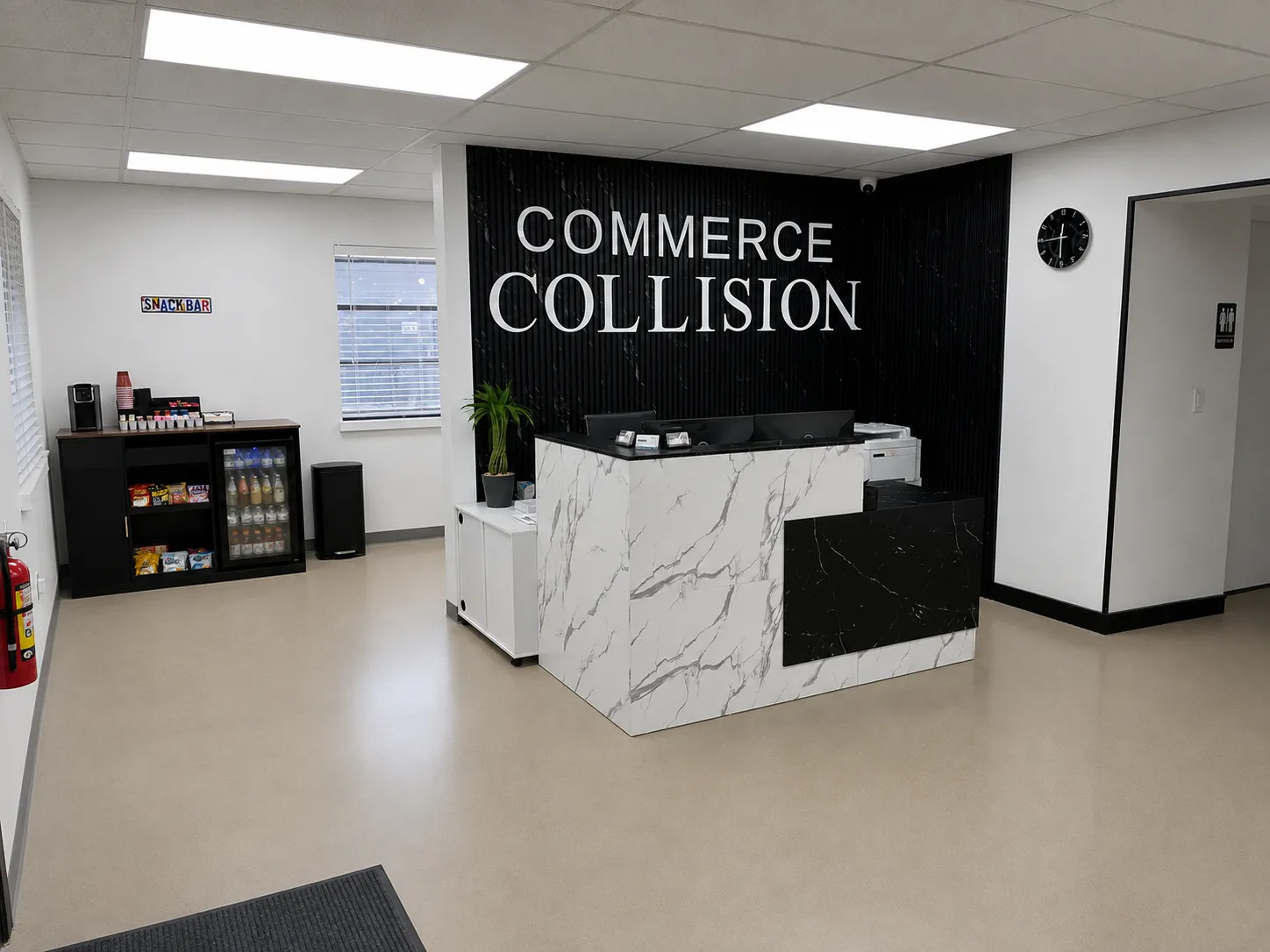
Commerce Collision is a family-owned, independent shop in Commerce Township. We made a deliberate choice not to sign direct repair agreements. We work with all major insurance carriers every day, but no carrier sets our estimate rules or scores us on how little we spend on your car.
Repairs are overseen by Sam Behnam, a Michigan State Certified Master Auto Mechanic (#1304862), certified in Unitized Body Structural Repair and Collision-Related Mechanical Repair. We're a registered Michigan Motor Vehicle Repair Facility (F173359). We write what we find, document it for your adjuster, and submit supplements when teardown uncovers more. We also welcome out-of-pocket customers and offer total loss evaluations when you want a second opinion.
We serve drivers across Commerce Township, Walled Lake, West Bloomfield, Wixom, Novi, White Lake, and Milford, and we're open Saturdays.
Frequently Asked Questions
Do I have to use my insurance company's preferred body shop in Michigan?
No. Under MCL 500.2110b, a Michigan auto insurer, its agents, and its adjusters cannot unreasonably restrict you from using the repair shop of your choice for covered repairs. A preferred or direct repair program shop is a recommendation, not a requirement.
What is a direct repair program (DRP)?
A direct repair program is a contract between an insurance company and a body shop. The insurer sends the shop referral volume, and in exchange the shop agrees to the insurer's pricing, estimating guidelines, and performance targets such as repair time and average claim cost.
Will my claim take longer if I choose my own body shop?
Not necessarily. Your chosen shop writes the estimate and sends it to the adjuster, who reviews it or sends an appraiser. A shop that handles insurance claims every day knows how to document damage so the approval moves quickly.
Will I pay more if I don't use a DRP shop?
Your insurer still pays for covered repairs, minus your deductible. If a shop charges more than the insurer considers reasonable for a specific item, ask the shop and the adjuster to resolve it before work begins. A good shop tells you up front if any cost may fall to you.
Can my insurance company refuse to pay a shop I chose?
The insurer can review, negotiate, and dispute specific repair costs, but it cannot unreasonably restrict your choice of shop. If you believe an insurer is steering you or refusing reasonable payment, you can file a complaint with the Michigan Department of Insurance and Financial Services (DIFS).
Is Commerce Collision a direct repair shop?
No. Commerce Collision is an independent shop with no direct repair program agreements. We work with all major insurance carriers, but we answer to the vehicle owner, not to an insurer's scorecard.
It's Your Car. It's Your Choice.
Tell your adjuster you've chosen Commerce Collision. We'll write the estimate, work with your insurer, help arrange a rental, and coordinate towing if you need it.
3080 E Oakley Park Rd, Commerce Township, MI 48390 · Open 6 days including Saturdays · 24/7 towing available
Sources
- Michigan Legislature — MCL 500.2110b, insured's choice of repair facility
- Michigan Department of Insurance and Financial Services (DIFS) — consumer help and complaints
This article is general information for Michigan drivers, not legal or insurance advice. Coverage depends on your specific policy — confirm details with your agent.
About the Author
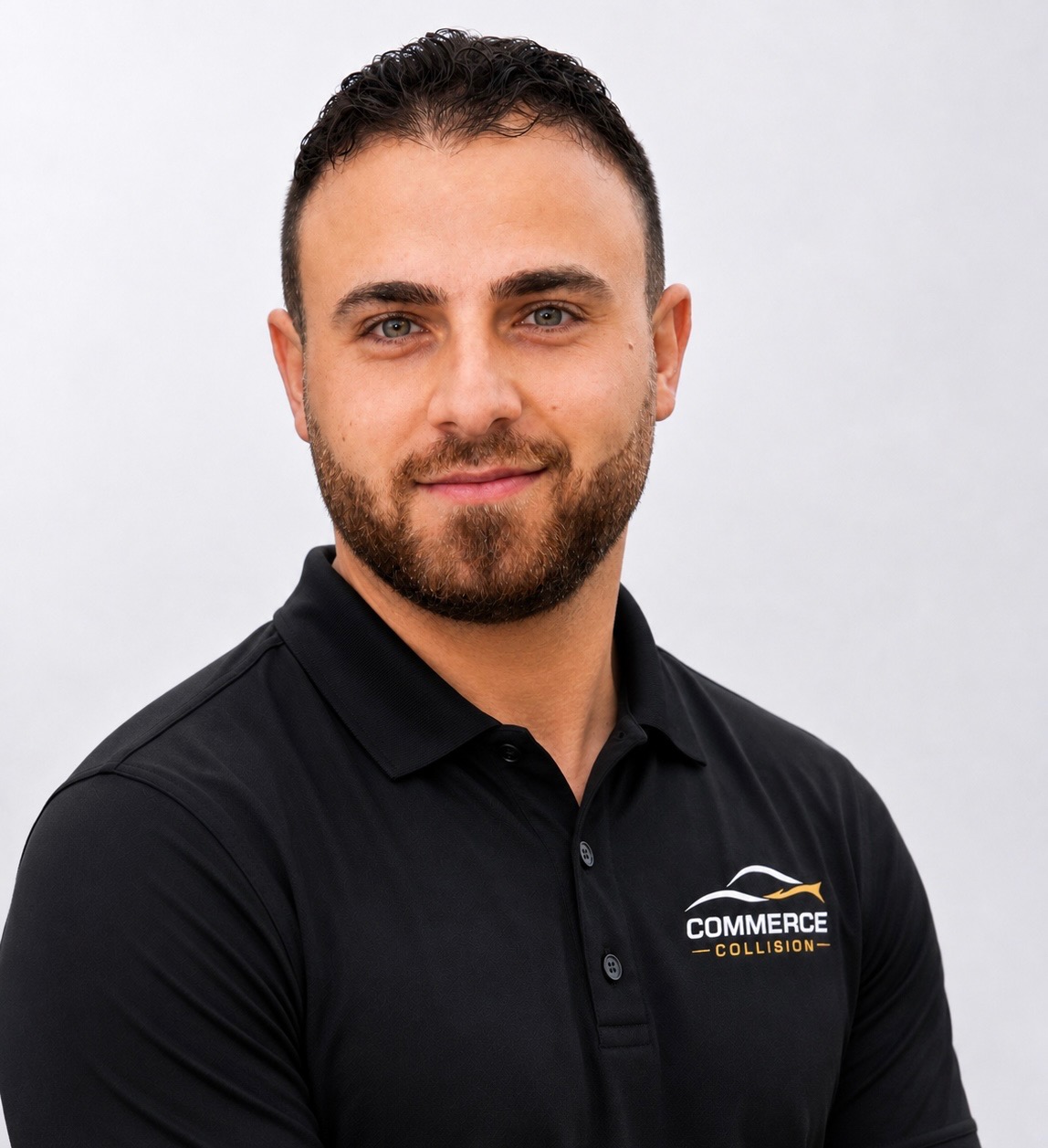
Wesam "Sam" Behnam
Michigan State Certified Master Auto Mechanic (Cert. #1304862)
Certified in Unitized Body Structural Repair & Collision-Related Mechanical Repair. Sam leads the repair team at Commerce Collision in Commerce Township, MI.